

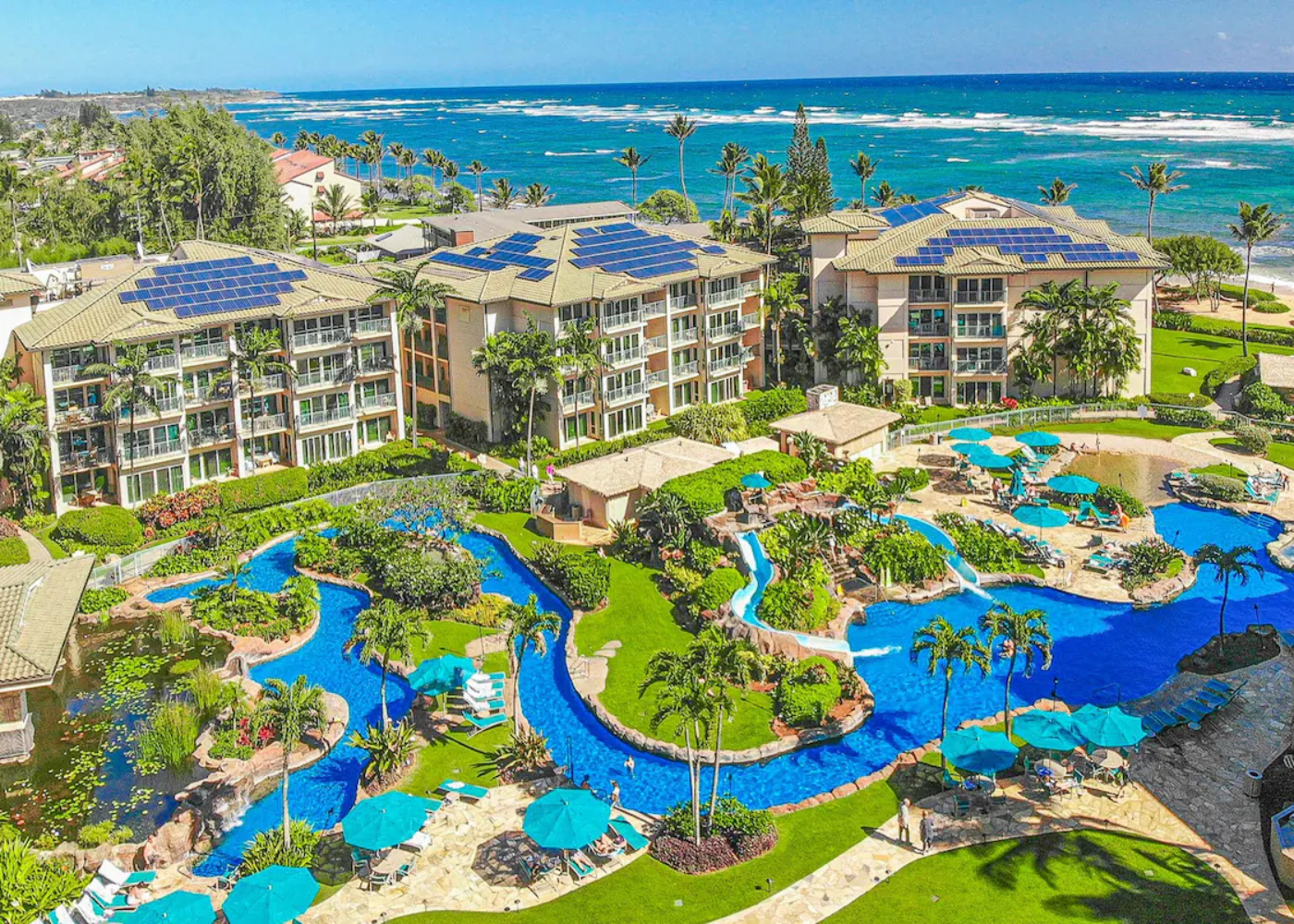
Bridge-to-DSCR: A Strategy for Short-Term Rental Investors
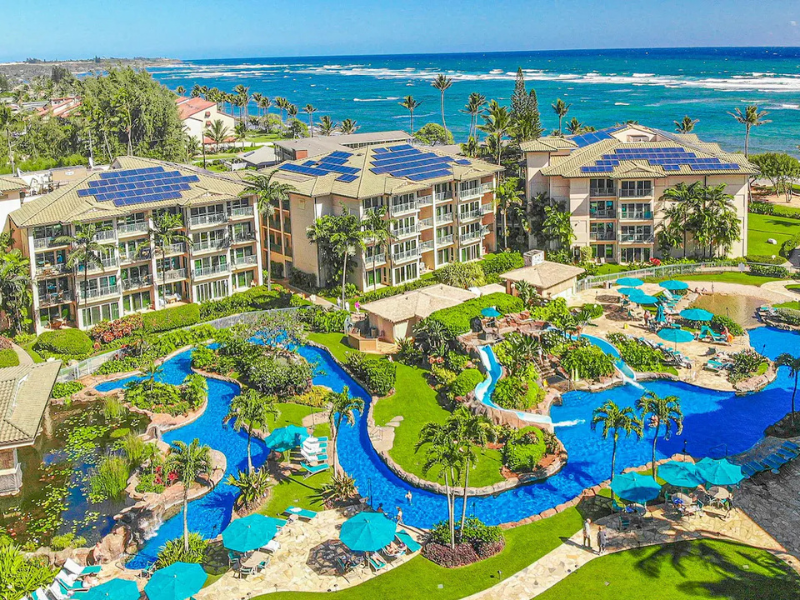
The Bridge-to-DSCR Pipeline: A Proven Strategy for Short-Term Rental Investors
Hawaii is one of the most sought-after short-term rental markets in the world. With year-round demand from leisure travelers, a limited housing supply, and some of the highest nightly rental rates in the country, a well-positioned vacation rental in Hawaii can generate exceptional returns. For real estate investors, the appeal is clear. However, the path to ownership is rarely straightforward.
Conventional lenders — banks, credit unions, and agency mortgage programs — are largely unable or unwilling to finance short-term rentals and condotels. The properties that make the best vacation rentals are often the same ones that fall outside the narrow parameters of traditional underwriting. The result is a financing gap that leaves many investors unable to act on compelling opportunities, even when the numbers make sense.
The bridge-to-DSCR pipeline is a two-stage financing strategy that closes this gap. It begins with a short-term bridge loan to acquire and stabilize the property, and ends with a long-term Debt Service Coverage Ratio (DSCR) loan once the rental income is established. For investors who understand how to use this pipeline, it is one of the most effective tools available for building a short-term rental portfolio in Hawaii
Why Conventional Financing Falls Short for STRs and Condotels
Short-term rentals and condotels present a unique set of challenges for conventional lenders. Most agency loan programs — including those backed by Fannie Mae and Freddie Mac — require that a property be owner-occupied or used as a traditional long-term rental. Properties that are operated as short-term rentals, or that are located in buildings classified as condotels, are typically ineligible for these programs outright.
Even when a lender is willing to consider a STR or condotel, the underwriting process creates additional hurdles. Conventional lenders rely heavily on documented income history, and a newly acquired property with no rental track record cannot demonstrate the cash flow needed to qualify for a standard investment property loan.
Properties that require upgrades or improvements to meet rental standards add another layer of complexity — a lender will not finance a property that does not yet meet their condition requirements, and an investor cannot establish rental income until the property is ready to rent.
The result is a catch-22: the investor needs financing to prepare the property, but cannot qualify for conventional financing until the property is already generating income. This is precisely the problem that bridge lending is designed to solve.
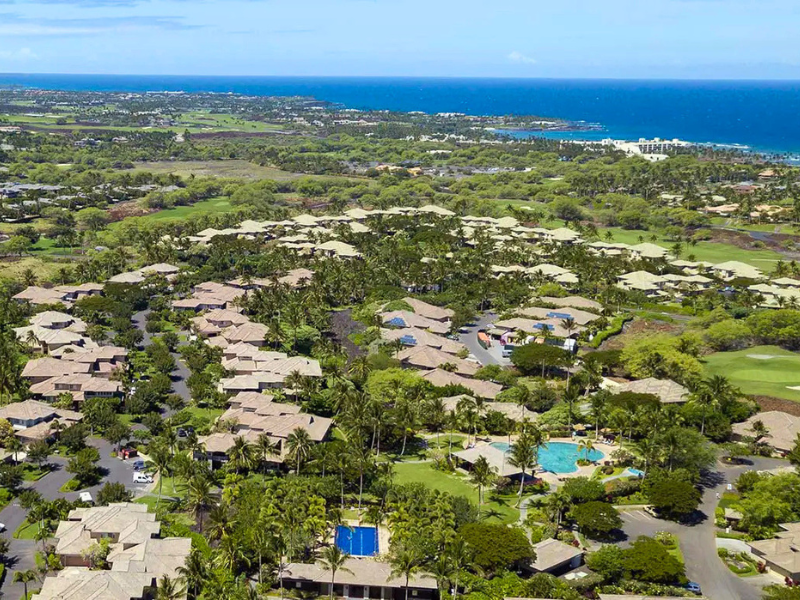
Stage One: The Bridge Loan
A bridge loan provides short-term, asset-based financing that allows an investor to acquire a STR or condotel, complete any necessary improvements, and begin generating rental income — all before transitioning to permanent financing. Because bridge loans are underwritten based on the value of the collateral rather than the borrower's income or the property's existing cash flow, they can be structured for properties that would be declined by any conventional lender.
The bridge loan stage typically spans 6 to 24 months, which is generally sufficient time to complete improvements, list the property on short-term rental platforms, and establish a rental history that will support a DSCR loan application. During this period, the investor is building the asset's income profile — the track record that a DSCR lender will use to underwrite the permanent loan.
The flexibility of bridge lending also allows investors to address property-specific issues that would otherwise prevent financing. Deferred maintenance, missing amenities, or condition deficiencies that disqualify a property from conventional programs can be resolved during the bridge loan term, transforming an ineligible property into a fully financeable, income-producing asset.
Real-World Scenarios: The Bridge-to-DSCR Pipeline in Action
The following examples are drawn from deals recently funded by Myers Capital, illustrating how this two-stage strategy works in practice.
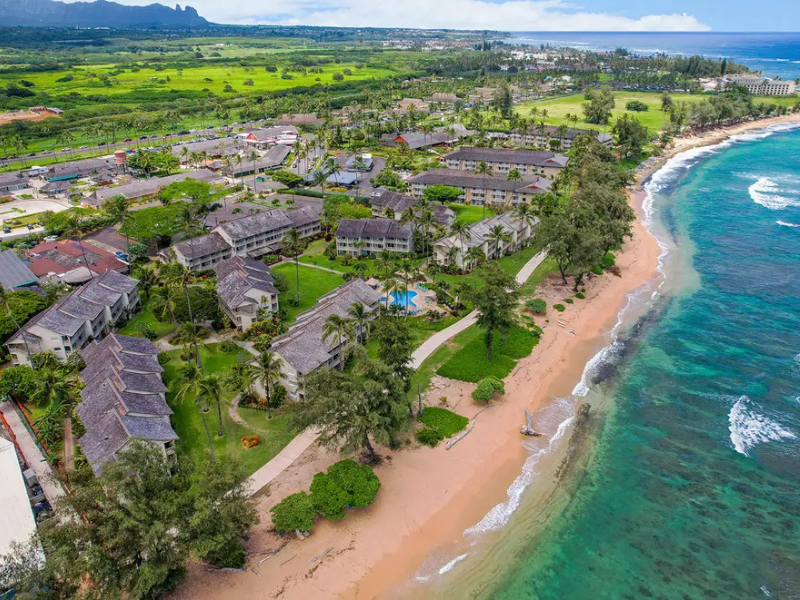
Scenario 1: Overcoming a Kitchen Requirement in Kapaa, Kauai
An investor owned a condotel unit in Kapaa on the island of Kauai that they wanted to operate as a short-term rental. The property was legally zoned for short-term rental use — a critical advantage in Hawaii's increasingly regulated vacation rental market. However, the unit lacked a built-in burner, which was a requirement for the property to qualify for financing with another lender. That lender declined the loan, leaving the investor without a path forward.
Myers Capital approached the deal differently. Rather than treating the missing stovetop as a disqualifying condition, we structured a $125,000 equity cash-out bridge loan at a 28.09% loan-to-value ratio.
The proceeds covered the installation of the required stovetop and an air conditioning repair, bringing the unit into compliance and making it fully operational as a short-term rental. The investor also used a portion of the funds to renovate another investment property in the Pacific Northwest, demonstrating how a single bridge loan can serve multiple strategic purposes simultaneously.
The exit strategy is a refinance into long-term financing once the property is stabilized and generating consistent rental income.
Scenario 2: Portfolio Expansion Through a Condotel Acquisition in Honolulu
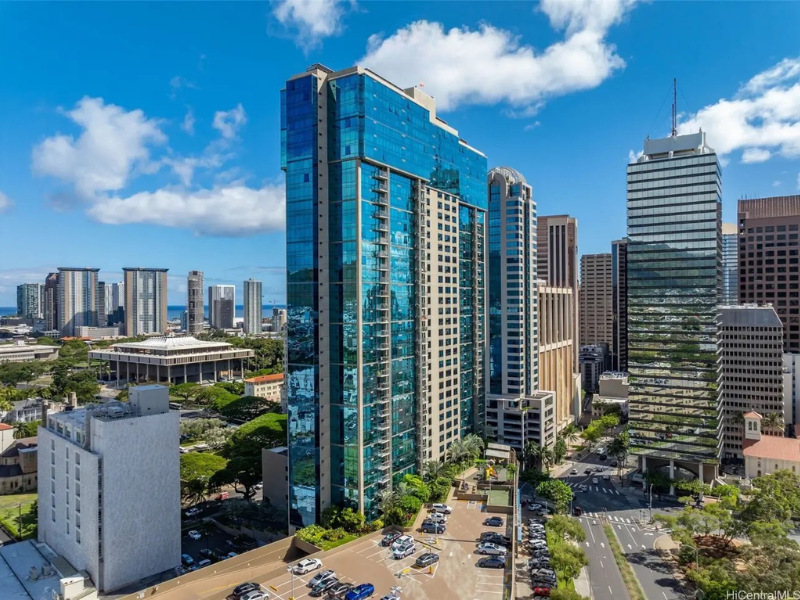
A repeat Myers Capital client had already acquired one condotel unit in a Honolulu building and was ready to expand. The building was legally zoned for short-term rentals — a valuable designation in Honolulu, where STR regulations have significantly restricted the supply of legally operable vacation rentals. The investor identified a second unit in the same building and moved quickly to secure it.
Myers Capital funded a $406,000 purchase bridge loan at a 73.81% loan-to-value ratio, with a 12-month term. The property was immediately eligible for short-term rental operation, and the investor began generating rental income from the day of acquisition. The exit strategy is a refinance into a DSCR loan, which will provide long-term, income-based financing supported by the property's established rental history.
This deal illustrates a key advantage of working with a lender who understands the Hawaii STR market: the ability to move quickly on legally zoned properties in high-demand locations, before other buyers can act.
Scenario 3: Using STR Equity to Fund the Next Acquisition in Kailua-Kona
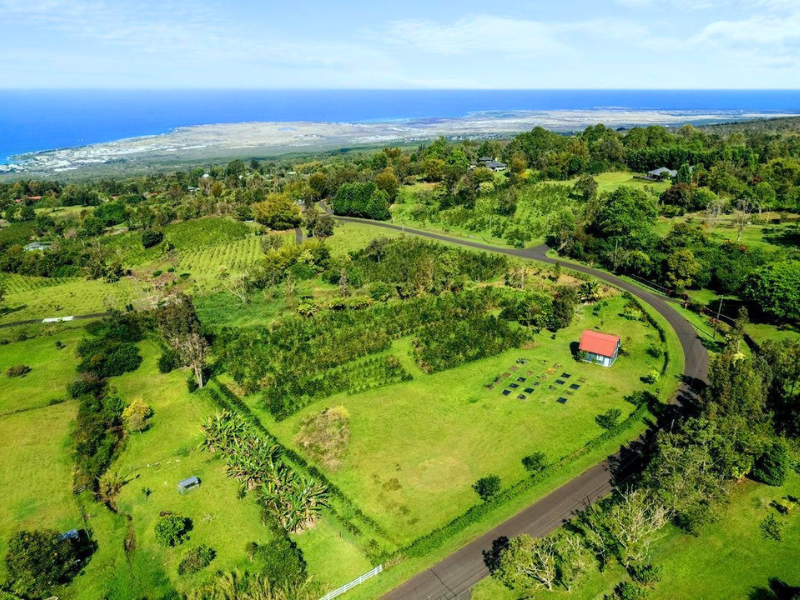
A third Myers Capital client had been operating a short-term rental single-family home in Kailua-Kona on the Big Island of Hawaii. The property had appreciated significantly, and the investor wanted to use the built-up equity to acquire another investment property without selling the STR.
Myers Capital funded a $640,000 equity cash-out bridge loan at an 80% loan-to-value ratio, with a 3-month term. The proceeds paid off the existing mortgage on the STR and provided cash-out capital to fund the next acquisition. The exit strategy for the Kailua-Kona property is a refinance into a DSCR loan, allowing the investor to retain the STR as a long-term income-producing asset while deploying the cash-out proceeds into a new deal.
This scenario demonstrates how the bridge-to-DSCR pipeline can be used not just to acquire new properties, but to recycle equity from existing STRs into portfolio expansion — a compounding strategy that accelerates growth without requiring the investor to sell their best-performing assets.
Stage Two: The DSCR Loan
A Debt Service Coverage Ratio loan is a long-term investment property mortgage that qualifies the borrower based on the property's rental income rather than the investor's personal income. The DSCR is calculated by dividing the property's gross rental income by its total debt service (principal, interest, taxes, insurance, and HOA fees). A DSCR of 1.0 means the property generates exactly enough income to cover its debt obligations; most lenders require a DSCR of 1.0 to 1.25 or higher to qualify.
For short-term rental investors, DSCR loans are particularly well suited because they allow the property's actual vacation rental income — rather than a long-term market rent estimate — to be used for qualification. Once a property has an established rental history from platforms such as Airbnb or VRBO, that income can be documented and used to support a DSCR loan application.
The transition from bridge to DSCR is the critical moment in the pipeline. An investor who has used their bridge loan period wisely — completing improvements, listing the property, and building a rental track record — will be well positioned to qualify for a DSCR loan at competitive terms. The result is a permanent financing solution that is sized to the property's actual income, with a long amortization period and a predictable monthly payment.
The Myers Capital Advantage
What distinguishes Myers Capital from other private lenders is our ability to support investors through the entire bridge-to-DSCR pipeline — not just the bridge loan stage. We understand the Hawaii short-term rental market, the regulatory landscape around legally zoned STRs and condotels, and the underwriting requirements of DSCR lenders.
This end-to-end perspective allows us to structure bridge loans with the DSCR exit in mind from the very beginning, ensuring that the investor is set up for a seamless transition to permanent financing.
For investors who are serious about building a short-term rental portfolio in Hawaii, the bridge-to-DSCR pipeline is not just a financing strategy — it is a competitive advantage. It allows you to move quickly on legally zoned properties, complete improvements that maximize rental income, and lock in long-term financing once the asset is stabilized.
Contact Myers Capital Hawaii today to learn how our bridge loan and DSCR loan programs can help you acquire, stabilize, and scale your short-term rental portfolio.
Copyright © 2026 Myers Capital Virginia