

MortgageWise Newsletter - Summer 2026
-Economy & Mortgages: Mortgage Rate Outlook: The New Normal, For Now
-It’s More Than a Roof Over Your Head
-Love Your Home Again... Without Moving
-Gotta Move? Consider This Before Selling
-When it’s Time to Walk Away from a Great Mortgage
After several years of rapid swings, the mortgage market is becoming more predictable. Mortgage rates have generally settled into the low-to-mid 6% range, and the days of dramatic swings appear to be less frequent.
Many people believe the Federal Reserve directly sets mortgage rates. In reality, mortgage rates respond much more closely to the bond market -- especially the yield on the 10-year U.S. Treasury, which recently climbed back into the mid-4% range.
When investors worry that inflation may remain elevated or that geopolitical events could push energy prices higher, they demand higher returns on Treasury bonds. Mortgage rates typically move in the same direction.

It’s More Than a Roof Over Your Head
For many families, their home has quietly become their largest financial asset. Today, America's homeowners hold nearly $35 trillion in home equity, including roughly $11 trillion that could potentially be accessed while still maintaining a healthy equity cushion. Yet only a small fraction of that wealth is ever put to work. Unlike many investments, home equity can often be leveraged without selling the asset itself.
The right strategy can unlock opportunities you may not have considered. Your equity could help eliminate mortgage insurance, finance value-adding home improvements, consolidate higher-interest debt, establish a home equity line for unexpected expenses, fund education or other major life goals, or even help purchase your next home before selling your current one.
Home equity isn't just wealth on paper—it's one of the most powerful financial tools many families own. Let's review your options and make sure your equity is working as hard as you do.
Love Your Home Again... Without Moving
Many homeowners find themselves in an unusual position today. They love their mortgage, but they're not quite as excited about the home that comes with it. Rather than trading a low-rate mortgage for a much higher monthly payment, more families are asking a different question:
“What if we made this house the one we've always wanted?”
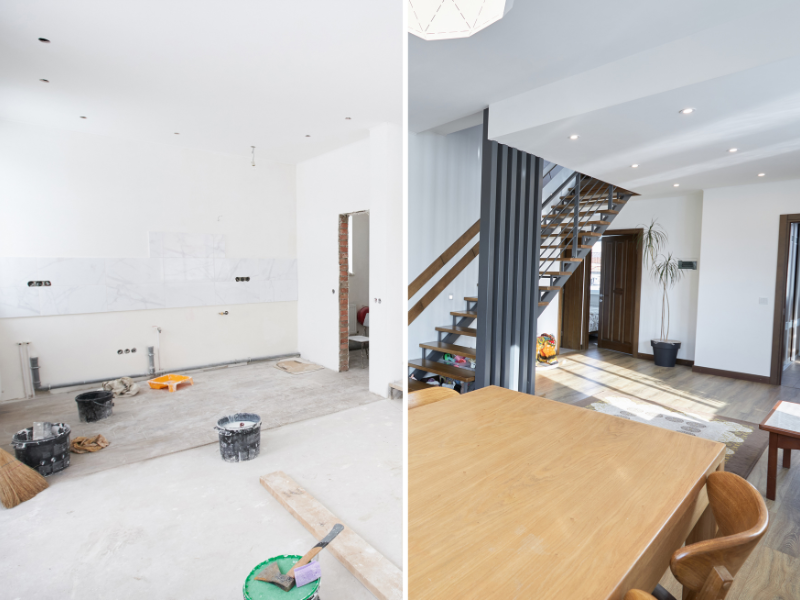
They're not alone. More than half of all homeowners completed a remodeling project last year, and one out of every two plans another project this year. Instead of waiting for the “perfect” time to move, they're investing in the home they already own, and improving the way they live today while building long-term value.
Love Your Home
The most popular remodeling projects continue to be kitchens and bathrooms because they’re the rooms families use every day. Well-planned remodels often recover 60% to 70% or more of their cost when it’s time to sell—but the greatest return is enjoying those improvements every single day.
Outdoor living spaces, home offices, energy-efficient upgrades, expanded primary suites, and open, flexible floor plans also continue to rank high on homeowners' wish lists. The best remodels don't simply add value—they make everyday living more enjoyable.
Future-Proof Your Home
Life changes! Your home should evolve with it. Accessory Dwelling Units (ADUs), in-law suites, and flexible living spaces are becoming increasingly popular as families care for aging parents, welcome adult children home, accommodate caregivers, host extended guests, or create rental income opportunities.
At the same time, features such as zero-step entries, walk-in showers, wider doorways, brighter lighting, comfort-height fixtures, and lever-style hardware make a home easier to enjoy for decades to come. The best aging-in-place improvements don't look like accessibility features -- they simply look like thoughtful, timeless design that appeals to buyers of every age.
Finance It Smartly
One of the biggest misconceptions is, “I'd have to refinance my mortgage to pay for a remodel.” Fortunately, that's often not the case. Home equity lines of credit, and home equity loans may allow you to finance improvements while preserving the attractive first mortgage you already have. The right financing strategy should complement your long-term goals -- not force you to give up a mortgage you’re happy with.
The biggest mistake I see isn’t choosing the wrong project—it’s waiting for the perfect time to begin. Families grow. Children move back home. Parents need extra care. Hobbies change. Priorities evolve. Your home should evolve as your life evolves. Your home is more than your largest investment—it’s where birthdays are celeebrated, holidays are shared, grandchildren visit, and everyday life unfolds.
If a few thoughtful improvements can make it better suited to the years ahead, let's explore the possibilities together. You may discover you don't need a different house to love where you live—you simply need to reimagine the one you already call home
Gotta Move? Consider This Before Selling
For decades, when you needed to move, you sold your house and bought another. But today, many homeowners have something worth keeping -- a 3% or 4% mortgage that may never be available again.
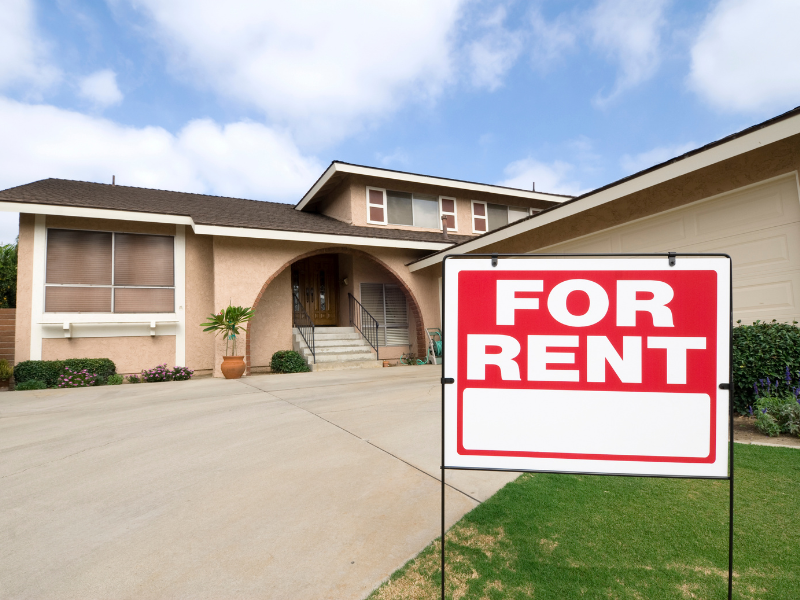
If you need to move, before you automatically put a “For Sale” sign in the yard, ask yourself: Would you willingly give up a mortgage that thousands of buyers wish they had today? Consider a powerful wealth-building strategy: keep your old house as a rental. Tenants help pay down your mortgage, your home may continue to appreciate, and you create another source of long-term income
Why It Makes Sense
- An old mortgage at a low rate creates a financial windfall. Investors covet a low cost of financing, because it can make the numbers work beautifully. If you had to start from scratch today and invest in a rental, you couldn't duplicate the mortgage rate.
- Let someone else build your equity. Rental income can help pay down your mortgage. And, if you’ve had that old mortgage for awhile, the equity portion of the payments are larger -- meaning that each monthly rent check you receive from your tenant builds that much more equity.
- Create another income stream. A well-managed rental can strengthen your long-term financial security.
Little Known Facts
- Keeping your current home doesn't automatically prevent you from buying another one. Lenders can often use up to 75% of documented rental income to help offset your existing mortgage payment when qualifying you for your next home.
- The first question isn’t, “Can you qualify?” It’s, “Does keeping this home improve your long-term financial picture?” We'll compare your projected rent, cash flow, equity, down payment options, and reserves before deciding whether the strategy makes sense.
- Keeping your first mortgage is often easier than replacing it. Home equity, a HELOC, savings, or other financing strategies may provide the funds needed for your next home's down payment without giving up your existing loan
Of course, becoming a landlord isn't for everyone, and we’ll honestly discuss the responsibilities, risks, and numbers. But many clients who assumed they had to sell discovered they could comfortably keep their first home instead. So before you sell, let’s talk.

When it’s Time to Walk Away from a Great Mortgage
In this newsletter, we’ve talked about the value of keeping a low-rate mortgage. But here’s the surprise: Sometimes the smartest financial decision isn’t the best life decision.
A 3% or 4% mortgage is a wonderful advantage -- but it shouldn’t become an anchor that keeps you from living the life you want. People are figuring that out, with about half the mortgages that were under 4% already off the books after only just a few years. Some questions to ask yourself:
- Has your family outgrown your home? More space, a home office, or a better layout may improve your quality of life every single day.
- Is your commute stealing time from your family? An extra hour each day adds up to hundreds of hours every year.
- Would another neighborhood better fit your lifestyle? Better schools, parks, walkability, or simply being closer to the people and places you enjoy can matter more than a lower payment.
- Do you want to be closer to aging parents or adult children? Sometimes being nearby is worth far more than keeping yesterday's mortgage.
Here’s the point: A mortgage is a financial tool, not a life goal. The best housing decision balances dollars with the way you want to live. If your current home no longer fits your future, don't let a low interest rate make the decision for you. Let’s compare the financial trade-offs and help you choose the path that's right for your family.
Copyright © 2026 Myers Capital Virginia